
Headrest for front seat
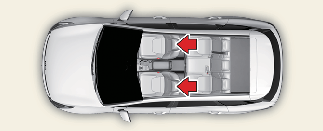
The headrest not only provides comfort for the driver and front passenger, but also helps protect the head and neck in the event of a collision.
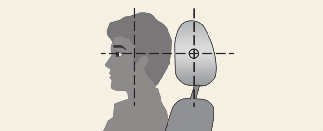
For maximum effectiveness in case of an accident, the headrest should be adjusted so the middle of the headrest is as high as the center of gravity of an occupant's head. Generally, the center of gravity of most people's heads is similar to the height of the top of their eyes.
Also, adjust the headrest as close to your head as possible. For this reason, the use of a cushion that holds the body away from the seatback is not recommended.

Headrest removal/adjustment
-
Do not operate the vehicle with the headrests removed. Headrests can provide critical neck and head support in a crash. Operating the vehicle without the headrest in position could lead to serious injury or death.
-
Do not adjust the headrest height while the vehicle is in motion. Driver may lose control of the vehicle.

Excessive pulling or pushing may damage the headrest.
Adjusting the height up and down
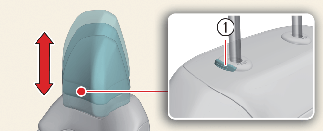
To raise the headrest:
-
Pull it up to the desired position.
-
To lower the headrest, push and hold the release button (1) on the headrest support.
-
Lower the headrest to the desired position.

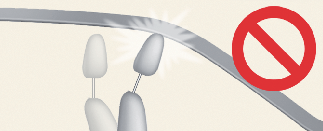
If you recline the seatback towards the front with the headrest and seat cushion raised, the headrest may come in contact with the sun visor or other parts of the vehicle.
Removing/reinstalling the headrest
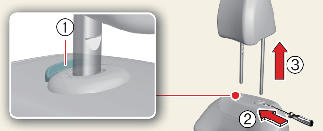
To remove the headrest:
-
Push and hold the release button (1).
Raise the headrest.
-
Insert a short, flat object (such as a small flat-head screwdriver) into the opening on the outer base of the left post (2) and pull the headrest upward (3).
To reinstall the headrest:
-
Put the headrest poles into the holes while pressing the release button (1).
-
For maximum effectiveness in case of an accident, the headrest should be adjusted so the middle of the headrest in at the same height of the center of gravity of an occupant's head. Generally, the center of gravity of most people's head is similar with the height of the top of their eyes. Also, adjust the headrest as close to your head as possible. For this reason, the use of a cushion that holds the body away from the seatback is not recommended.
-
Do not operate the vehicle with the headrests removed or reversed as severe injury to the occupants may occur in the event of an accident. Headrests may provide protection against neck injuries when properly adjusted.
-
Do not adjust the headrest position of the driver's seat while the vehicle is in motion.
-
Make sure the headrest locks in position after adjusting it to properly protect the occupants.
-
NEVER allow anyone to ride in a seat with the headrests removed.
-
Always make sure the headrest locks into position after reinstalling and adjusting it properly.
-
When there is no occupant in the rear seats, adjust the height of the headrest to the lowest position. The rear seat headrest can reduce the visibility of the rear area.
-
If you recline the seatback towards the front with the headrest and seat cushion raised, the headrest may come in contact with the sun visor or other parts of the vehicle.