

Limitations of Blind-Spot Collision Warning
Blind-Spot Collision Warning may not operate normally, or the function may operate unexpectedly under the following circumstances:
-
There is inclement weather, such as heavy snow, heavy rain, etc.
-
The rear corner radar is covered with snow, rain, dirt, etc.
-
The temperature around the rear corner radar is high or low
-
Driving on a highway (or motorway) ramp
-
The road pavement (or the peripheral ground) abnormally contains metallic components (i.e. possibly due to subway construction).
-
There is a fixed object near the vehicle, such as sound barriers, guardrails, central dividers, entry barriers, street lamps, signs, tunnels, walls, etc. (including double structures)
-
Driving in large areas where there are few vehicles or structures (i.e. desert, meadow, suburb, etc.)Driving through a narrow road where trees or grass are overgrown
-
Driving on a wet road surface, such as a puddle on the road
-
The other vehicle drives very close behind your vehicle, or the other vehicle passes by your vehicle in close proximity
-
The speed of the other vehicle is very fast that it passes by your vehicle in a short time
-
Your vehicle passes by the other vehicle
-
Your vehicle change lane
-
Your vehicle has started at the same time as the vehicle next to you and has accelerated
-
The vehicle in the next lane moves two lanes away from you, or when the vehicle two lanes away moves to the next lane from you
-
A trailer or carrier is installed around the rear corner radar
-
The bumper around the rear corner radar is covered with objects, such as a bumper sticker, bumper guard, bike rack, etc.
-
The bumper around the rear corner radar is impacted, damaged or the radar is out of position
-
Your vehicle height is low or high due to heavy loads, abnormal tire pressure, etc.
Blind-Spot Collision Warning may not operate normally, or the function may operate unexpectedly when the following objects are detected:
-
A motorcycle or bicycle is detected
-
A vehicle such as a flat trailer is detected
-
A big vehicle such as a bus or truck is detected
-
A moving obstacle such as a pedestrian, animal, shopping cart or a baby stroller is detected
-
A vehicle with low height such as a sports car is detected
Driving on a curved load
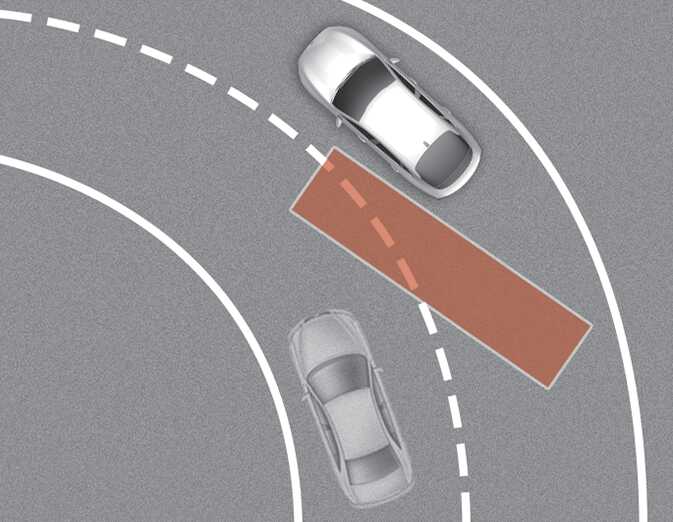
Blind-Spot Collision Warning may not operate properly when driving on a curved road. The function may not detect the vehicle in the next lane.
Always pay attention to road and driving conditions while driving.
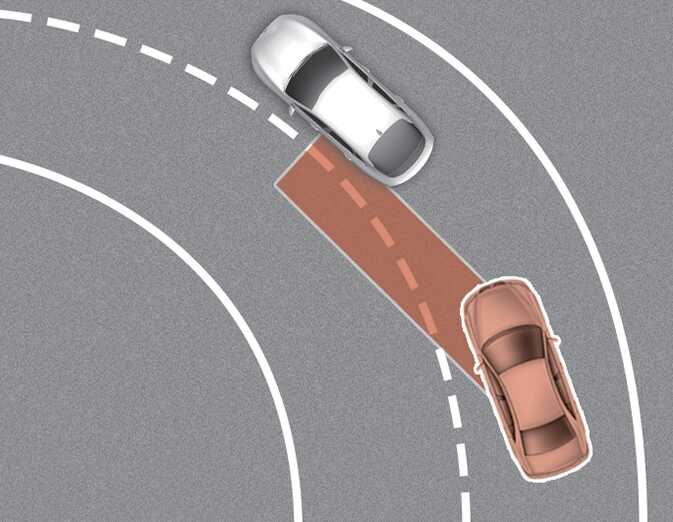
Blind-Spot Collision Warning may not operate properly when driving on the curved road. The function may recognize the vehicle in the same lane.
Always pay attention to road and driving conditions while driving.
Driving where the road is merging/ dividing
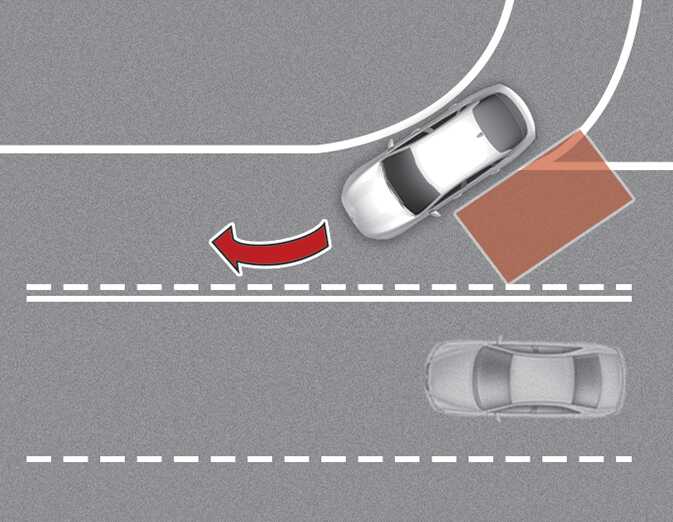
Blind-Spot Collision Warning may not operate properly when driving where the road merges or divides. The function may not detect the vehicle in the next lane.
Always pay attention to road and driving conditions while driving.
Driving on a sloped road
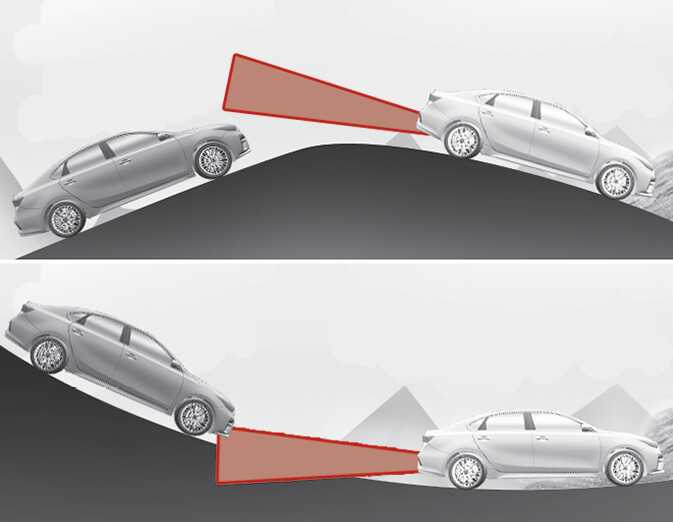
Blind-Spot Collision Warning may not operate properly when driving on a sloped road. The function may not detect the vehicle in the next lane or may incorrectly detect the ground or structure.
Always pay attention to road and driving conditions while driving.
Driving where the heights of the lanes are different
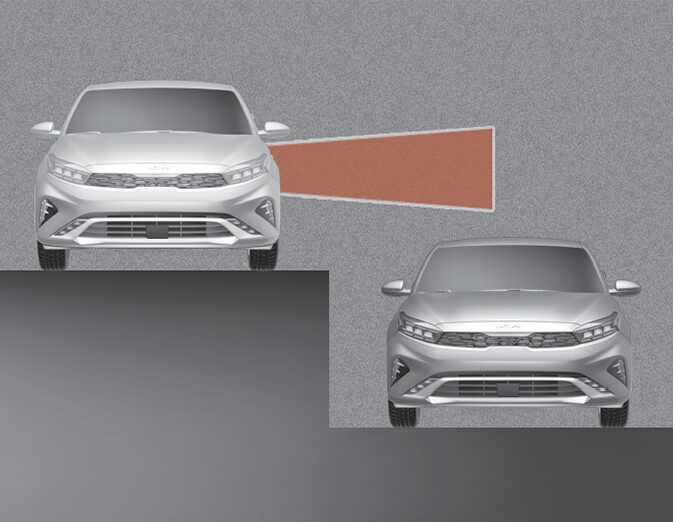
Blind-Spot Collision Warning may not operate properly when driving where the heights of the lanes are different. The function may not detect the vehicle on a road with different lane heights (underpass joining section, grade separated intersections, etc.).
Always pay attention to road and driving conditions while driving.
Blind-Spot Collision Warning may not operate normally if interfered by strong electromagnetic waves.
Blind-Spot Collision Warning may not operate for 3 seconds after the vehicle is started, or the rear corner radars are initialized.