

Checking the coolant level
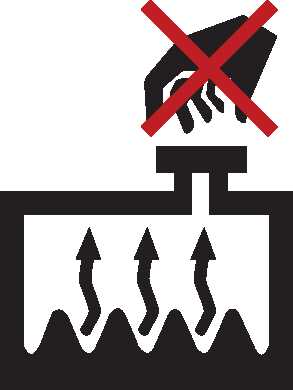 Removing radiator cap
-
Never attempt to remove the radiator cap while the engine is operating or hot. Doing so might lead to cooling system and engine damage. Also, hot coolant or steam could cause serious personal injury.
-
Turn the engine off and wait until it cools down. Use extreme care when removing the radiator cap. Wrap a thick towel around it, and turn it counterclockwise slowly to the first stop. Step back while the pressure is released from the cooling system.
When you are sure all the pressure has been released, press down on the cap, using a thick towel, and continue turning counterclockwise to remove it.
-
Even if the engine is not operating, do not remove the radiator cap or the drain plug while the engine and radiator are hot. Hot coolant and steam may still blow out under pressure, causing serious injury.
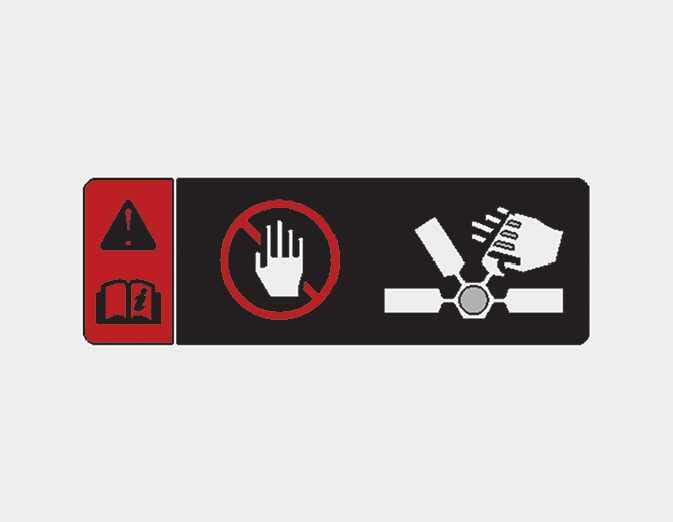
The electric motor (cooling fan) is controlled by engine coolant temperature, refrigerant pressure and vehicle speed. It may sometimes operate even when the engine is not running. Use extreme caution when working near the blades of the cooling fan so that you are not injured by a rotating fan blades. As the engine coolant temperature decreases, the electric motor will automatically shut off. This is a normal condition.
The electric motor (cooling fan) may operate until you disconnect the negative battery cable.
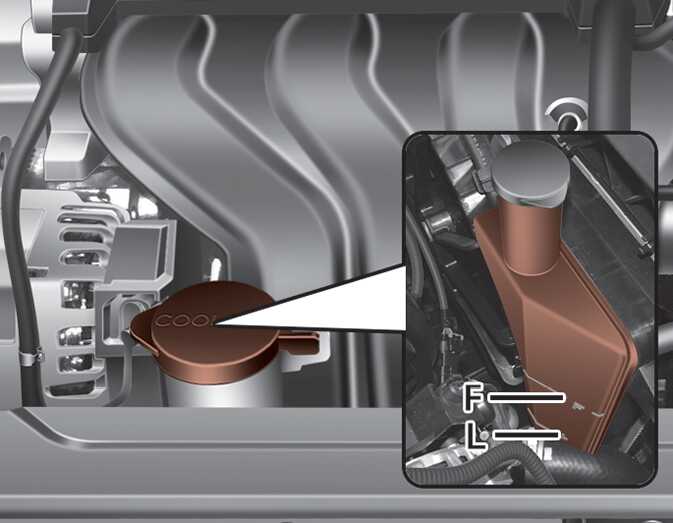
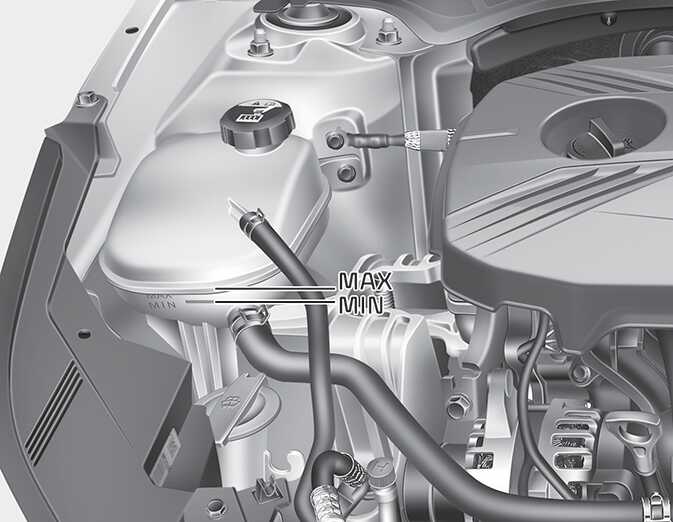
Check the condition and connections of all cooling system hoses and heater hoses. Replace any swollen or deteriorated hoses.
The coolant level should be filled between F and L (or MAX and MIN) marks on the coolant level gauge when the engine is cool.
If the coolant level is low, add enough specified coolant to provide protection against freezing and corrosion. Bring the level to F (or MAX), but do not overfill. If frequent additions are required, have the system inspected by a professional workshop. Kia recommends to visit an authorized Kia dealer/service partner.
Make sure the coolant cap is properly closed after refill of coolant.
Otherwise the engine could be overheated while driving.
-
Check if the radiator cap label is straight In front.
Figure 3. Engine room front view 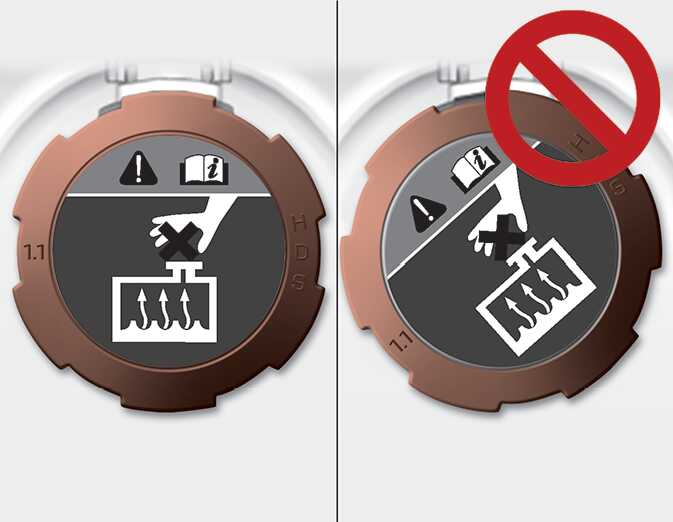 OJA070150L
 -
Make sure that the tiny protrusions inside the coolant cap should be securely interlocked.
Figure 4. Engine room rear view 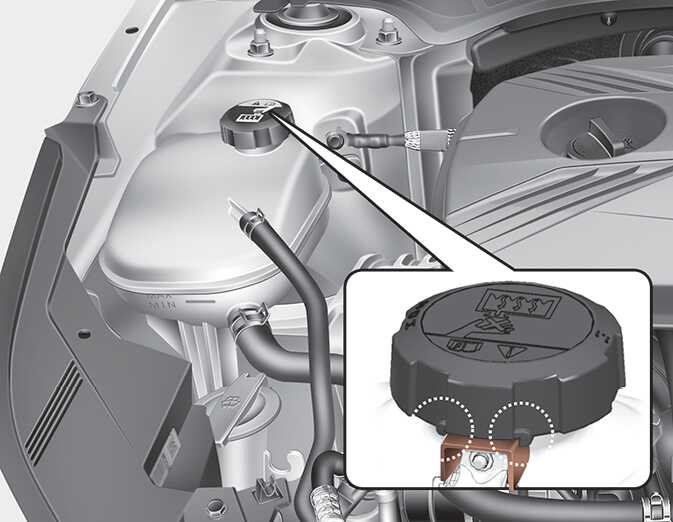 OBD071134