

Charging types
|
Category |
AC Charge |
DC Charge |
Portable Charge |
|---|---|---|---|
|
Charging Inlet (Vehicle) |
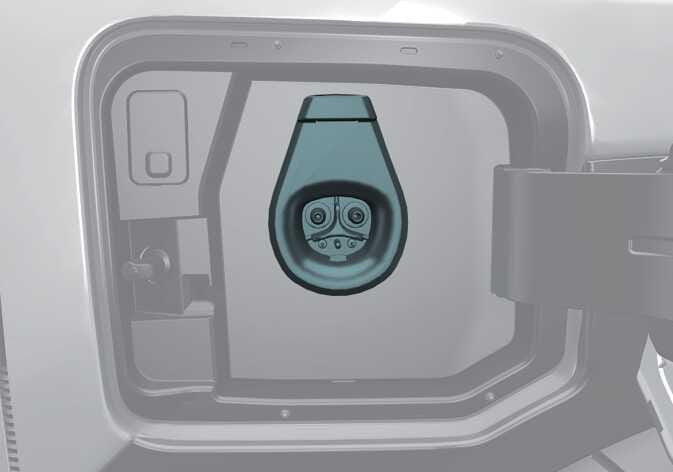 OSVM076004N |
OSVM076004N |
|
Charging Connector |
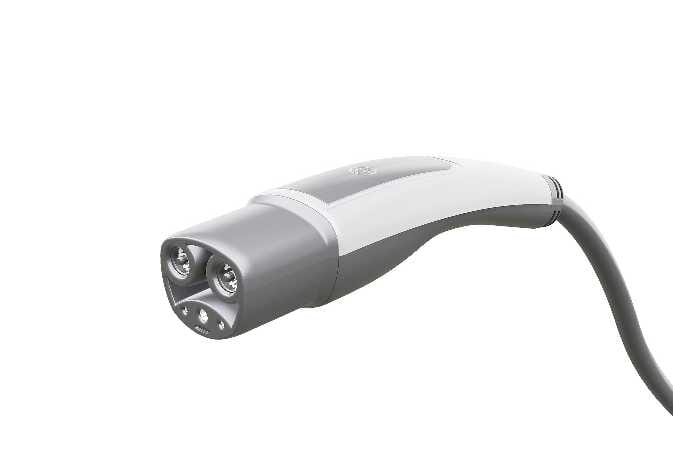 N_CT25_D07_006_A |
N_CT25_D07_006_A |
|
How to Charge |
Use the AC charger installed at home or at a public charging station |
Use the DC charger at a public charging station |
Use household current |
Depending on the condition and durability of the high voltage battery, charger specifications, and ambient temperature, the time required for charging the battery might vary.
The actual appearance of the charging method might vary according to the charger manufacturer.
For your safety, your vehicle might stop charging if the external charger is outdated or defective. Try charging the vehicle with a different charger that works properly.
A maximum diagnosis time of 3 minutes might occur to check the battery condition during the battery charging process.
The portable charging cable is sold separately.
* Depending on your region, the In-Cable Control Box (ICCB) for trickle charging might not be provided with your electric vehicle.
Type 3R enclosure satisfies the requirements of UL 50E standard when the charging connector is connected to the vehicle side charging inlet. An additional Type 3R enclosure should be provided in the end installation of the vehicle side charging inlet. The “Type 3R” marking can be found on the charging inlet.
-
What is ttype 3R? A performance requirement for enclosures intended for outdoor use that provides a degree of protection against falling dirt, rain, sleet, and/or snow.
-
Risk of electric shock. Do not disconnect under load.
-
Suitable for use on a circuit capable of delivering not more than 5,000 rms symmetrical Amperes, 120 V AC Maximum.
-
Suitable for use on a circuit capable of delivering not more than 30,000 rms symmetrical Amperes, 1,000 V DC Maximum.