

12V battery
The battery powers the various devices installed in the vehicle.
For best battery service
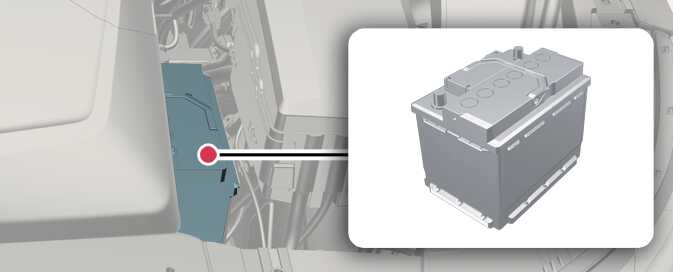 OCV071008L |
-
Keep the battery securely mounted.
-
Keep the top of the battery clean and dry.
-
Keep the terminals and connections clean, tight, and coated with petroleum jelly or terminal grease.
-
Immediately rinse any spilled electrolyte from the battery using a solution of water and baking soda.
-
If you do not plan to use the vehicle for an extended period of time, disconnect the battery cables.
Risk of Explosion
 Keep lit cigarettes and all other flames or sparks away from the battery.
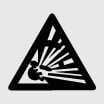 The battery contains hydrogen -- a highly combustible gas which will explode if it comes in contact with a flame or spark.
 Keep batteries out of reach of children because batteries contain highly corrosive sulfuric acid and electrolytes. Do not allow battery acid to come into contact with your skin, eyes, clothing, or your vehicle’s paint finish.
 Wear eye protection when charging or working near a battery. Always have proper ventilation when working in an enclosed space.
 Always read instructions carefully when handling a battery.
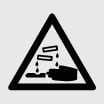 If electrolyte gets into your eyes, flush your eyes with clean water for at least 15 minutes and seek immediate medical attention. If electrolyte gets on your skin, thoroughly wash the affected area. If you feel pain or a burning sensation, seek immediate medical attention.
 An inappropriately disposed battery can be harmful to the environment and human health. Dispose the battery according to your local law(s) or regulation.
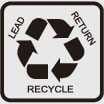 The battery contains lead. Do not dispose of it after use. Please return the battery to an authorized Kia dealer to be recycled.
Risk of Electrocution
Never touch the electrical motor while the vehicle is running. This system works with high voltage, which can electrocute, injure, or kill you.
If you connect unauthorized electronic devices to the battery, the battery may be discharged. Never use unauthorized devices.
Recharging Battery
Never attempt to recharge the battery when the battery cables are connected.
California Proposition 65
Battery posts, terminals, and related accessories contain lead and lead compounds, chemicals known to the State of California to cause cancer, birth defects, and reproductive harm. Batteries also contain other chemicals known to the State of California to cause cancer. Wash hands after handling.
Battery recharging
Your vehicle has a maintenance-free, calcium-based battery
-
Should your vehicle’s battery become discharged, charge it using a charger or drive the vehicle for at least 60 minutes to allow for regenerative charging.
When recharging the battery, take the following precautions:
-
Remove the battery from the vehicle and place it in an area with good ventilation.
-
Do not allow cigarettes, sparks, or flame near the battery.
-
Watch the battery during charging, and stop or reduce the charging rate if the battery cells begin gassing (boiling) violently or if the temperature of the electrolyte of any cell exceeds 120 °F (49 °C).
-
Wear eye protection when you check the battery while it is charging.
-
Disconnect the battery charger in the following order.
-
Turn OFF the battery charger main switch.
-
Unhook the negative clamp from the negative battery terminal.
-
Unhook the positive clamp from the positive battery terminal.
-
-
Before performing maintenance or recharging the battery, turn OFF all accessories and stop the vehicle.
-
The negative battery cable must be removed first and installed last when the battery is disconnected.
Reset items
The following items should be reset after the battery has been discharged, or the battery has been disconnected.
-
Auto up and down window (Refer to Window opening and closing)
-
Trip computer
-
Climate control system (Refer to Automatic climate control system)