

Smart regeneration system malfunction and limitations
Smart regeneration system malfunction
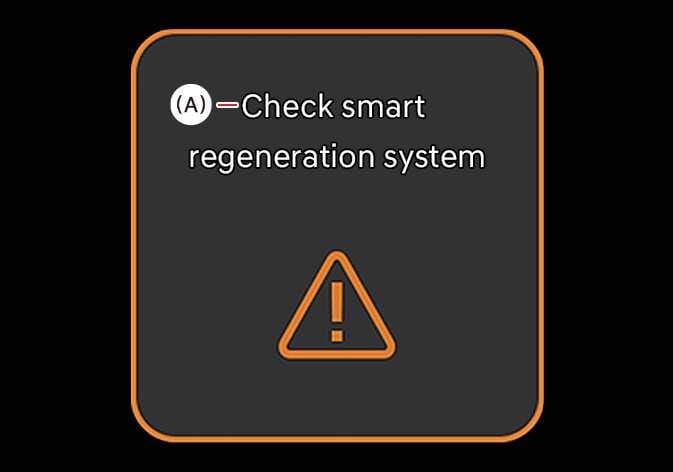 OSW045036L |
(A): Check smart regeneration system |
The following message will appear when the smart regeneration system is not functioning normally.
The system will be cancelled and (  ) on the instrument cluster will disappear and instead display regenerative braking level.
Check for foreign substances on the front radar. Remove any dirt, snow, or debris that could interfere with the radar sensors.
If the system still does not operate normally, have the vehicle inspected by a professional workshop. Kia recommends that you visit an authorised Kia dealer/service partner.
Limitations of smart regeneration system
|
Limitations of smart regeneration system |
|
|---|---|
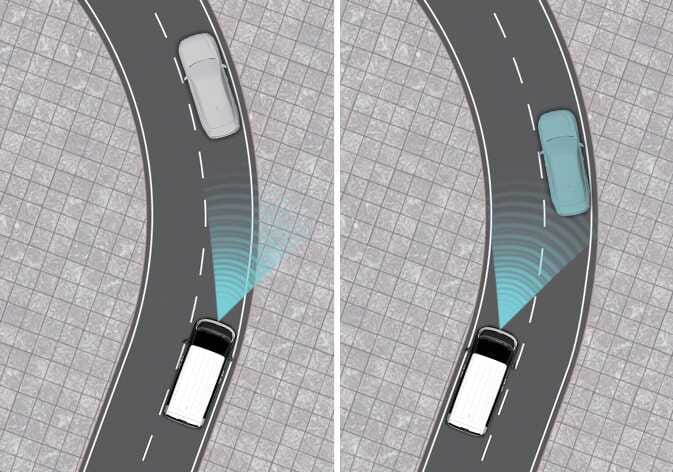 OSW055147_2 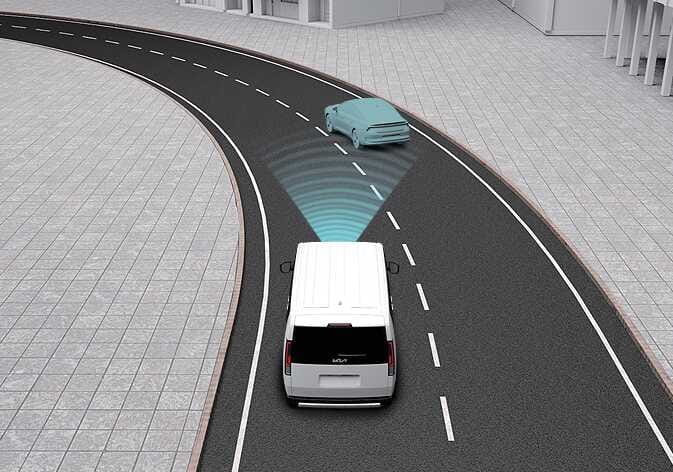 OSW055063 |
When driving on the curve, the system may not detect the vehicle in your lane and the regenerative braking level will reduce automatically, making you feel that the vehicle is accelerating. Also, if the system suddenly recognises the vehicle in front, the regenerative braking level will increase automatically, making you feel that the vehicle is decelerating. The driver must maintain a safe braking distance, and if necessary, depress the brake pedal to reduce your driving speed in order to maintain a safe distance. The smart regeneration system may recognise a vehicle in an adjacent lane when driving on a curved road. In this case, the system increase the braking level and slow the vehicle. Always pay attention to road and driving conditions whilst driving. If necessary, depress the brake pedal to reduce your driving speed in order to maintain a safe distance. Also, when necessary, you may depress the accelerator pedal to prevent the system from unnecessarily decelerating your vehicle. Always check the traffic conditions around the vehicle. |
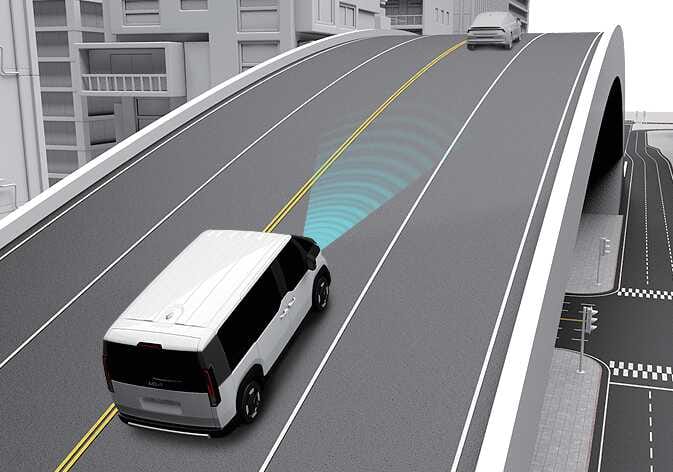 OSW055064L |
When driving on an uphill or downhill, the system may not detect the vehicle in your lane and the regenerative braking level will reduce automatically, making you feel that the vehicle is accelerating. Also, if the system suddenly recognises the vehicle in front, the regenerative braking level will increase automatically, making you feel that the vehicle is decelerating. The driver must maintain a safe braking distance, and if necessary, depress the brake pedal to reduce your driving speed in order to maintain a safe distance. |
 OSW055065 |
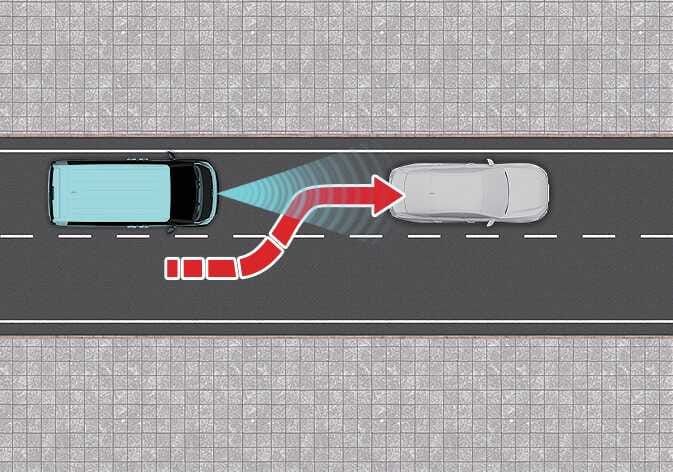
When a vehicle changes lanes in front of you, the smart regeneration system may not immediately detect the vehicle, especially if the vehicle changes lanes abruptly. In this case, you must maintain a safe braking distance, and if necessary, depress the brake pedal to reduce your driving speed in order to maintain a safe distance. |
 OSW055066 |
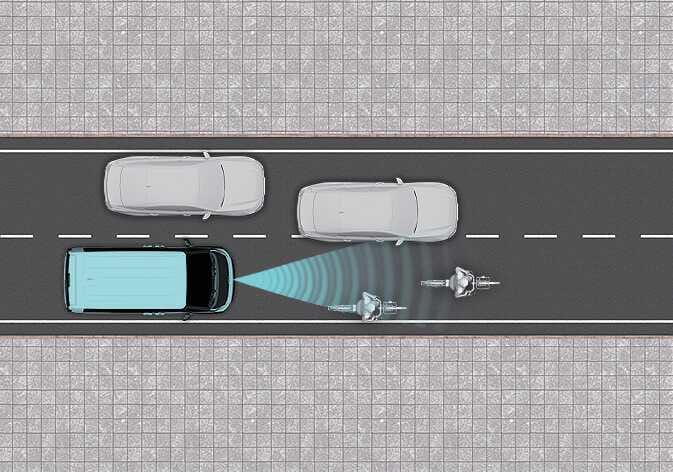
Some vehicles in your lane cannot be recognised by the sensor:
A vehicle ahead cannot be recognised correctly by the sensor if any of following occurs:
Apply the brake or accelerator pedal if necessary. |
When using smart regeneration system, take the following precautions:
-
In an emergency, always apply the brakes to stop the vehicle.
-
Maintain a safe distance from the vehicle ahead, considering road conditions and vehicle speed. A short following distance at high speed may lead to a serious collision.
-
Always keep sufficient braking distance and decelerate by applying the brake pedal when necessary.
-
Smart regeneration system uses radar signals to detect and monitor vehicles ahead. It is not designed to detect oncoming vehicles, pedestrians, bicycles, motorcycles, or small wheeled objects such as luggage bags, shopping carts, or strollers.
-
The system may experience delays in response to vehicles that change lanes frequently or may respond to vehicles in adjacent lanes. Always drive attentively and be prepared for unexpected situations.
-
Smart regeneration system may not recognise complex driving scenarios. Continuously monitor road conditions and adjust your vehicle’s speed as needed.
Smart regeneration system may not operate temporarily due to:
-
Electrical interference
-
Modification of the suspension
-
Differences in tyre wear or pressure
-
Installation of different type of tyres