

Recommended SAE viscosity (thickness) number
Always clean the area around any filler plug, drain plug, or dipstick before you check or drain any lubricant (especially in dusty or sandy areas or if you drive on unpaved roads). Cleaning the plug and dipstick areas prevents dirt and grit from entering the engine or other mechanisms that could be damaged.
Never add any additives to the engine oil. Engine oil additives can change the properties of engine oil and may cause serious engine failure.
Engine oil viscosity (thickness) affects fuel economy and cold weather operation (including engine starting and engine oil flow ability). Lower viscosity engine oils can provide better fuel economy and cold weather performance. Higher viscosity engine oils are required for satisfactory lubrication in hot weather.
Using oils of any viscosity other than those recommended could result in engine damage.
When you choose an engine oil, consider the range of temperature you will operate your vehicle in before your next oil change. Select the recommended oil viscosity from the chart below.
Temperature Range for SAE Viscosity Numbers
A: Smartstream G2.5 T-GDi HEV

|
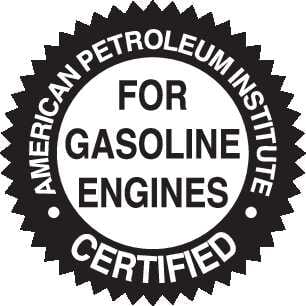
The American Petroleum Institute (API) Certification Mark denotes engine oils that conform to the International Lubricant Specification Advisory Committee (ILSAC). You should only use engine oils marked with the API Certification Mark. |