

Air bag non-inflation conditions
-
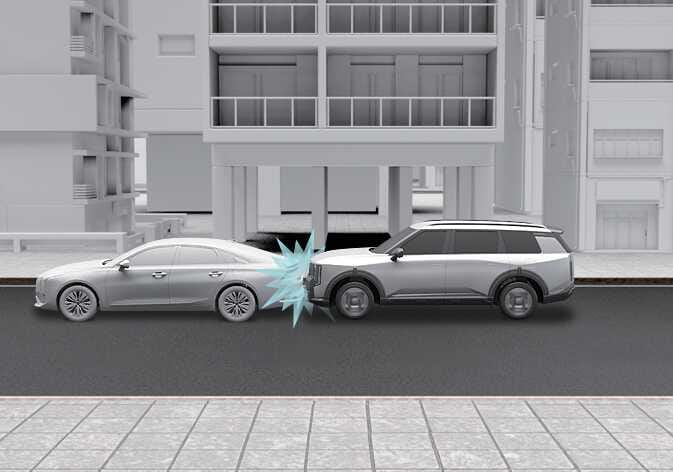
Air bags may not deploy in certain low-speed collisions where the air bag would not add any protection beyond what is already offered by the seat belts.
 OLQ2A065053
 -
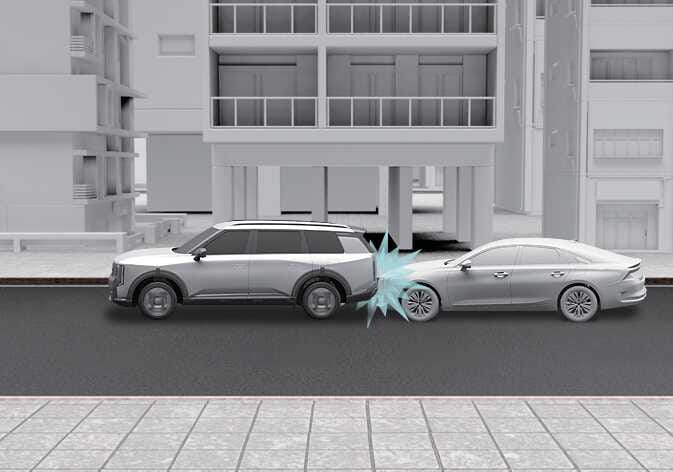
Front air bags are not designed to inflate in rear collisions, because occupants are moved backward by the force of the impact. In this case, inflated air bags would not be able to provide any additional benefit.
 OLQ2A065055
 -
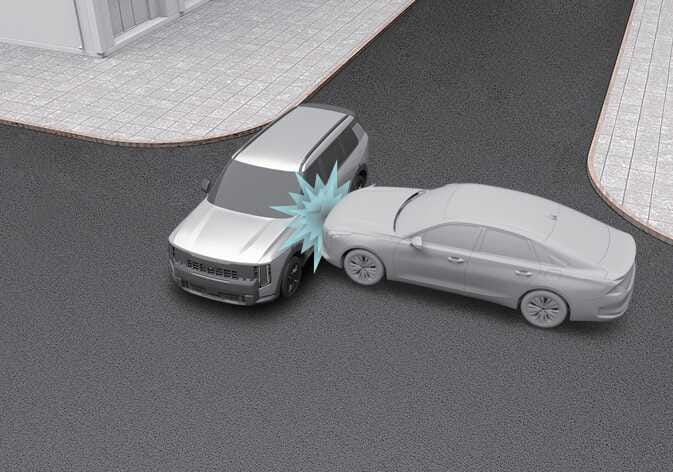
Front airbags may not inflate in side impact collisions because passengers move towards the point of impact. Therefore, in side impacts, frontal airbag deployment would not provide any additional protection.
 OLQ2A065056
 -
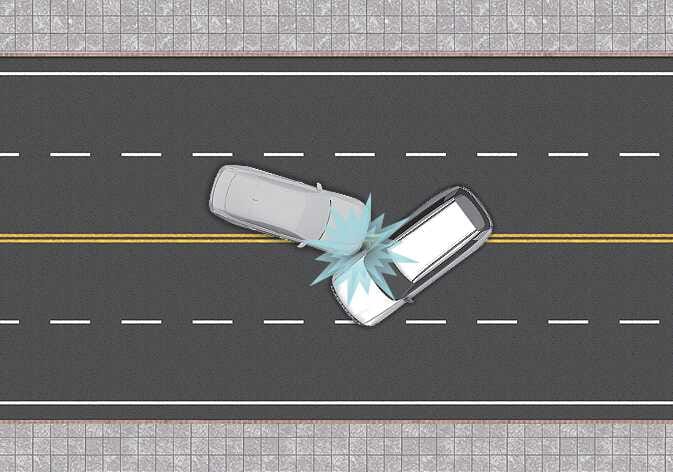
In an angled collision, the force of impact may move the occupants in a direction where the air bags would not provide any additional protection; therefore, the sensors may not deploy any air bags.
-
 OLQ2A065057
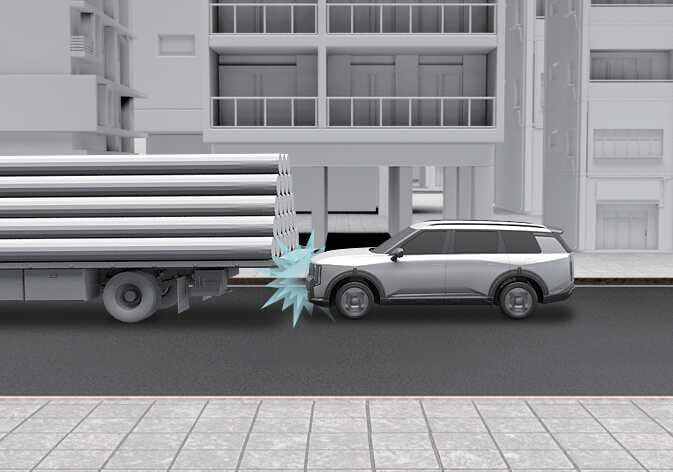
Just before impact, drivers often brake heavily. Such heavy braking lowers the front portion of the vehicle causing it to “ride” under a vehicle with a higher ground clearance. Air bags may not inflate in this situation because deceleration forces that are detected by sensors may be significantly reduced by such “under-ride” collisions.
 OLQ2A065058
 -
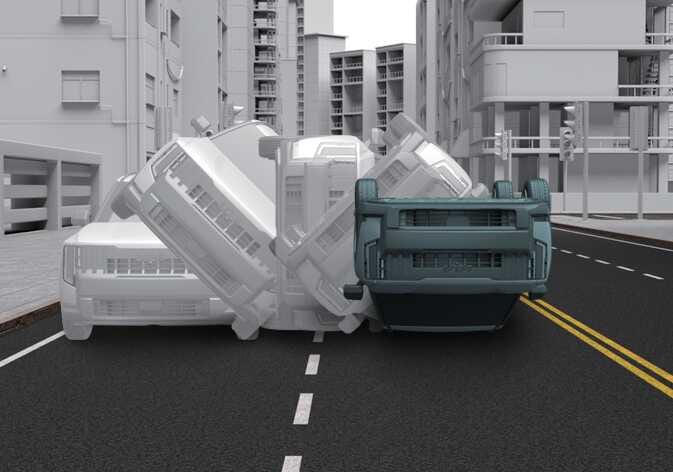
Front air bags may not inflate in rollover accidents when the SRS Control Module (SRSCM) indicates that the front air bag deployment would not provide additional occupant protection.
 OLQ2A065059
 -
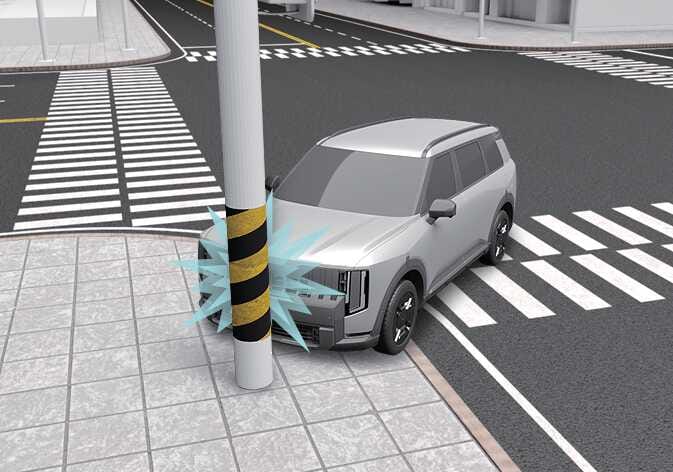
Airbags may not inflate if the vehicle collides with an object such as a utility pole or tree. This is because the point of impact is concentrated in a single area, and the full force of the impact is not delivered to the sensors.
 OLQ2A065060